

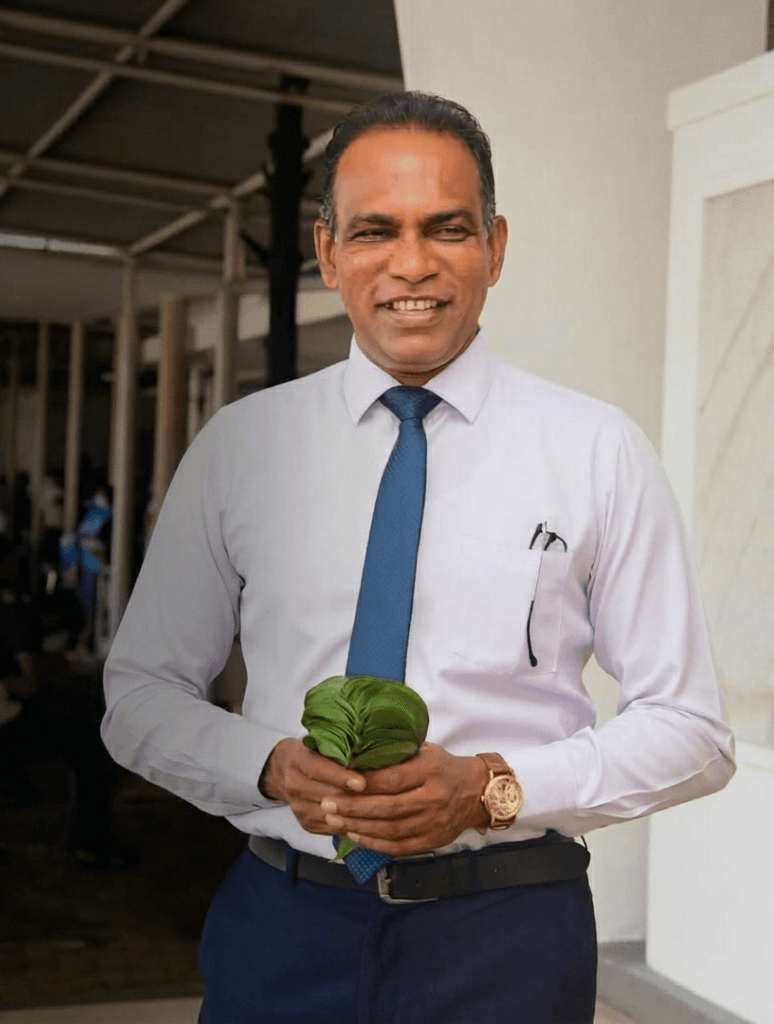
Dr. Jayaruwan Bandara
MBBS · MSc · PGDCC · 15 March 2025
Hair loss is one of the more emotionally significant concerns I treat at Janus. It affects both men and women, it's often progressive, and the information available online is a mixture of evidence and commercial noise.
The most important thing I can offer in this article is clarity: what hair loss treatment can and cannot do.
What causes hair loss
The causes of hair loss divide broadly into reversible and potentially permanent:
Reversible causes:
- Telogen effluvium, shedding triggered by significant physiological stress (illness, surgery, childbirth, rapid weight loss, nutritional deficiency). The hair follicles are intact; the hair will return once the trigger is resolved.
- Nutritional deficiency, particularly iron, ferritin, zinc, and vitamin D. Common in Sri Lanka.
- Scalp conditions, seborrheic dermatitis and scalp inflammation can drive shedding. Treating the scalp condition is the treatment.
- Thyroid dysfunction, hypo- and hyperthyroidism both cause diffuse hair loss. Treating the thyroid treats the hair.
- Stress-related shedding, acute or chronic stress elevates cortisol, which disrupts the hair growth cycle.
Progressive causes:
- Androgenetic alopecia (AGA), genetic, hormonally-driven, and the most common cause of patterned hair loss in both sexes. In men: recession from the temples and thinning at the crown. In women: diffuse thinning at the crown, often without a receding hairline.
The distinction matters because treatment approaches differ significantly.
What treatment can achieve
For reversible causes, the goal is to identify and address the trigger. If your hair loss is post-COVID, post-partum, or nutritional, targeted supplementation and time will often be sufficient. Medical treatment accelerates recovery.
For androgenetic alopecia, the goal is to slow or halt progression and stimulate regrowth in areas where follicles are still viable. Hair follicles in AGA don't disappear immediately, they miniaturise over time before eventually becoming non-functional. This is why early treatment produces better results than late treatment.
At Janus, my approach typically involves:
Scalp mesotherapy: Small injections of growth factors, vitamins, and vasodilating agents directly into the scalp. This improves blood supply, reduces DHT (the hormone responsible for follicle miniaturisation in AGA), and provides the follicles with the nutrients they need to produce thicker, stronger hair.
Neovascularization: Treatments specifically designed to improve scalp microcirculation, addressing a root cause of follicle miniaturisation.
Home care protocol: Cinteric Anti-Dandruff Shampoo supports scalp health between sessions. In cases with scalp inflammation, additional topical treatments may be recommended.
Realistic expectations
I don't use phrases like "guaranteed results" or "full regrowth." These claims don't hold up to scrutiny and damage the trust that medical practice requires.
What I tell patients honestly:
- Most patients with early-stage AGA or telogen effluvium will see reduced shedding within 4–6 weeks of starting treatment
- Visible new growth is typically apparent at 3 months
- The full effect of a treatment course is visible at 6–9 months
- Hair that has been lost for more than 2–3 years, in areas where there is no visible fine hair, is unlikely to regrow (follicles may no longer be viable)
- Maintenance treatment is required to sustain results in AGA, because the underlying genetic and hormonal cause doesn't go away
When to start
If you're noticing increased hair loss, thinning at the crown, or changes in hair texture, now is the right time. Not in 6 months. Early treatment gives you more to work with.
A hair assessment at Janus includes visual assessment and trichoscopy to evaluate hair density, follicle miniaturisation, and scalp condition. If bloodwork is indicated to rule out reversible causes, I'll refer you accordingly.
Book a hair assessment with Dr. Bandara to understand what's driving your hair loss and what can be done about it.
Dr. Jayaruwan Bandara
MBBS (University of Ruhuna) · MSc Medical Administration · PGDCC
Medical Cosmetologist and founder of Janus Estheti Clinique, Rajagiriya, Colombo. Practicing since 2016.